In this article
When you suspect a material contains asbestos, testing is the only way to know for sure. A small sample, analysed by an accredited laboratory, tells you whether asbestos is present and what type it is, so you can plan a renovation, sale or repair with confidence. This guide explains when to test, how samples are taken safely, how laboratory analysis works, and what to do with the results.
When should you get asbestos testing?
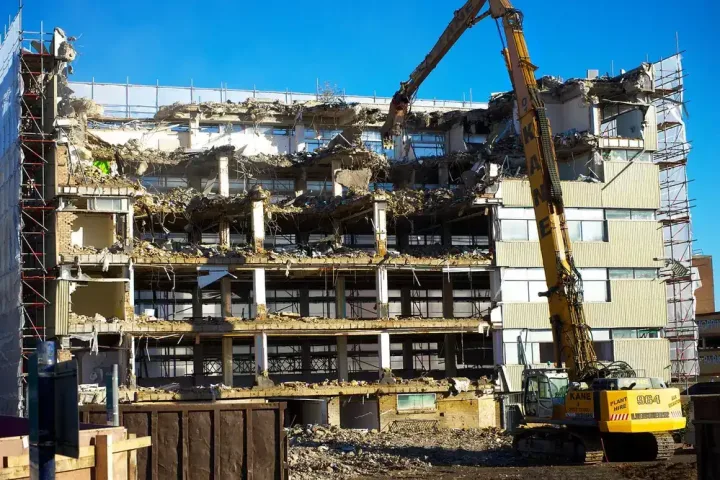
- Before renovating or demolishing any building, extension or shed built or renovated before the late 1980s.
- Before drilling, cutting or sanding sheeting, flooring or textured ceilings you are unsure about.
- After damage from storms, fire, impact or water, when material is broken or crumbling.
- When buying or selling an older property and you want to know what you are dealing with.
- For workplaces and rental properties, where asbestos must be identified and its risks assessed.
Why you can’t rely on appearance
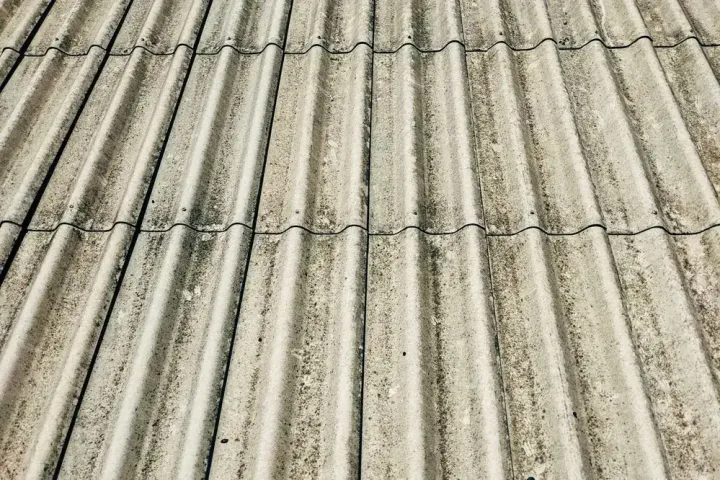
Asbestos cement and modern fibre cement can look the same. Vinyl tiles, textured coatings and old adhesives are even harder to judge by eye. Testing removes the guesswork. Until a material has been tested, the safe approach is to treat it as if it contains asbestos.
How samples are taken safely
Taking a sample means disturbing the material, so it should be done carefully:
- The area is cleared of people and pets, and fans and air conditioning are turned off.
- The person sampling wears suitable respiratory protection and disposable gloves.
- The surface is wetted to keep fibres from becoming airborne.
- A small piece, often around the size of a coin, is removed with hand tools.
- The sample is sealed in a labelled bag and then double-bagged.
- The sampled spot is sealed or covered and the area is wiped down with a damp cloth.
Each different material should be sampled separately, for example eaves, bathroom wall sheeting and floor tiles, because one result doesn’t tell you about the others.
How the laboratory analyses a sample
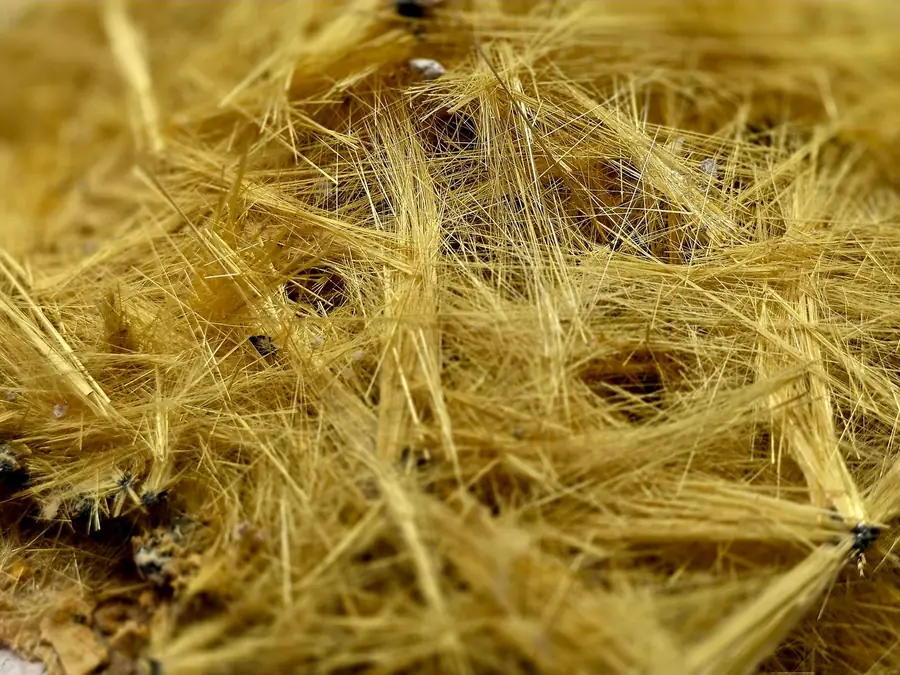
Samples are analysed by a NATA-accredited laboratory. NATA (the National Association of Testing Authorities, Australia) accredits laboratories that meet strict standards for testing competence. For building materials, laboratories in Australia commonly use polarised light microscopy with dispersion staining, following the Australian Standard method for identifying asbestos in bulk samples (AS 4964). This identifies whether asbestos fibres are present and which type they are.
Understanding your results
A laboratory report will usually state whether asbestos was detected in each sample and, if so, which type:
- Chrysotile (white asbestos): the most common type in Australian building products.
- Amosite (brown asbestos): found in some sheeting and insulation products.
- Crocidolite (blue asbestos): mined in Western Australia at Wittenoom and found in some older products.
“No asbestos detected” means the laboratory didn’t find asbestos in that sample. It doesn’t clear other materials in the building that weren’t tested.
What to do after a positive result
- Don’t disturb it. Avoid cutting, drilling or breaking the material.
- Check its condition. Bonded asbestos in good condition may be safe to leave in place and monitor.
- Plan removal if it’s in the way. If your renovation will disturb it, or it is damaged, arrange removal before work starts.
- Use a licensed removalist where required. In WA, any friable asbestos, or more than 10 m² of bonded asbestos, must be removed by a licensed removalist. See our asbestos removal service.
- Keep the report. Store it with your property records for future work, insurance or sale.
Testing vs an asbestos survey or register
Testing a few suspect materials is ideal for homeowners planning a specific job. Larger properties, workplaces and pre-demolition sites may need a wider inspection that records where asbestos is, its condition and the recommended action. If you are not sure which you need, ask us and we will point you in the right direction.
Frequently asked questions
Can I take a sample myself?
It’s possible, but it involves disturbing a possibly hazardous material. Having a trained professional take the sample reduces the risk and makes sure it is collected and sealed correctly.
How long do results take?
Turnaround depends on the laboratory and how busy it is. Ask when you book and we will give you a realistic timeframe.
If one sheet tests negative, is the whole house clear?
No. Different materials, and sometimes different sheets of the same-looking material, can give different results. Test each material you plan to disturb.
Get advice on asbestos testing
For testing advice, removal or a free quote, call Pro Asbestos Removal Perth on 08 6001 6050 or request a quote online. Learn more on our asbestos testing page, or read our asbestos checklist for renovation and demolition.
Share this