In this article
If your Perth home was built or renovated before the late 1980s, there is a good chance it contains asbestos somewhere. Asbestos was used in Western Australian building products from the mid-1940s to the late 1980s, and it can look almost identical to the safer fibre-cement products that replaced it. This guide explains where asbestos usually hides in Perth homes, the clues that suggest a material may contain it, and the only way to know for sure.
Why you can’t identify asbestos just by looking
Asbestos fibres are microscopic and are usually bound into another material, such as cement sheeting or vinyl. Fibre-cement sheeting made after asbestos was phased out looks very similar to older asbestos sheeting. Age, location and appearance can tell you that a material is likely to contain asbestos, but only laboratory analysis of a sample can confirm it. Until it has been tested, the safest approach is to treat any suspect material as if it does contain asbestos.
Bonded vs friable asbestos
Bonded (non-friable) asbestos is asbestos held in a solid material, such as cement sheeting, roofing or vinyl tiles. While it is in good condition it is relatively stable, but cutting, drilling, sanding, breaking or heavy weathering can release fibres.
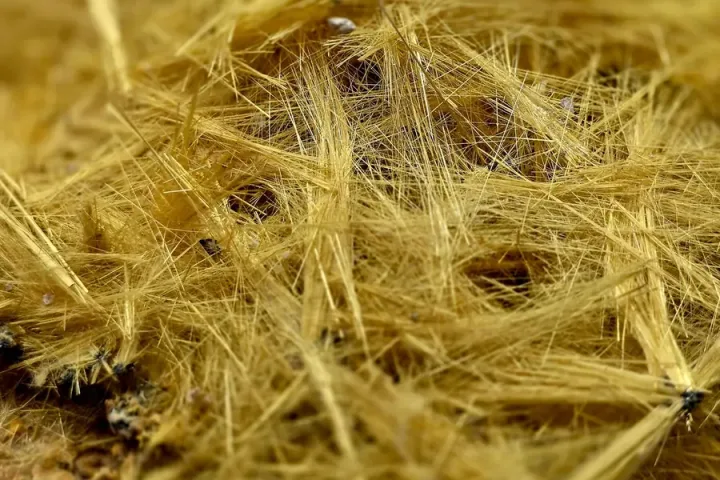
Friable asbestos is loose or crumbly and can be crushed to powder by hand when dry. Examples include some old pipe lagging, insulation, and badly damaged or burnt bonded sheeting. Friable asbestos releases fibres easily and in WA it must only be removed by a removalist with a Class A licence.
Where asbestos is commonly found in Perth homes
Outside the house
- Fibro fences: the grey corrugated fences found all over Perth’s older suburbs are very often asbestos cement.
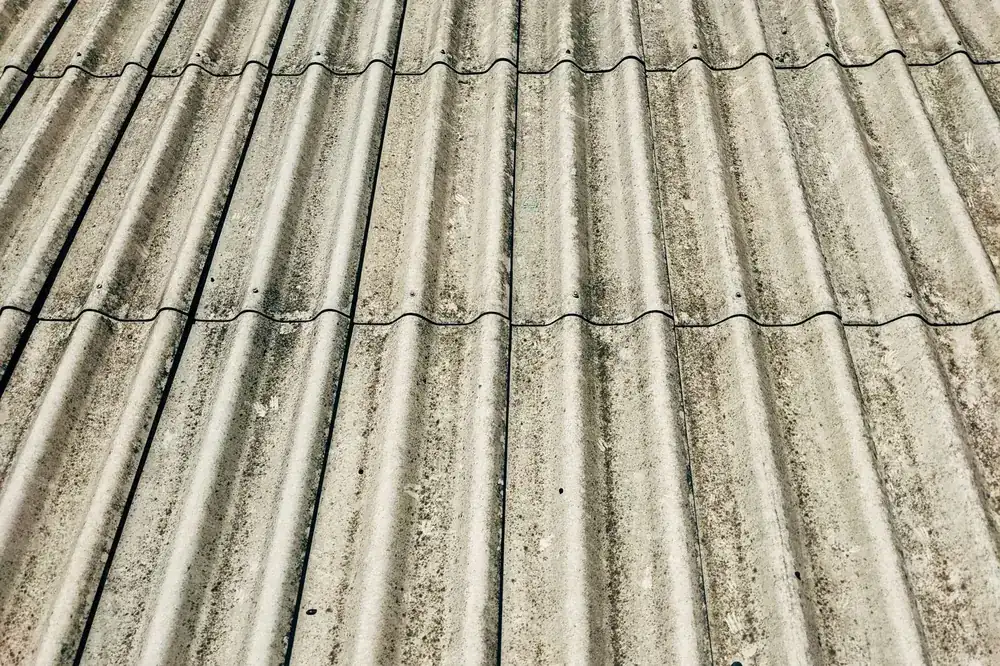
- Roofs: corrugated cement roofing, often called “Super Six”, on houses, garages, sheds and carports.
- Eaves and gables: flat sheeting under the eaves is one of the most common places to find asbestos.
- External walls: fibro-clad houses and extensions, including weatherboard-look sheeting.
- Sheds, garages and outbuildings: wall and roof sheeting on older backyard structures.
- Gutters, downpipes and flues: some older moulded cement products and vent pipes.
Inside the house
- Bathrooms, laundries and toilets: wet-area wall sheeting behind tiles, and sheeting around baths and showers.
- Kitchens: splashbacks and the backing of old sheet vinyl.
- Floors: vinyl floor tiles and the felt-like backing under older sheet vinyl or linoleum.
- Ceilings and walls: flat fibro sheeting, and some textured or sprayed ceiling finishes.
- Electrical meter boards: many older meter boxes have an asbestos-containing backing board.
- Heating and hot water: lagging on older pipes, heaters and flues.
Clues that a material may contain asbestos
- The building, extension or renovation dates from before the late 1980s.
- Flat or corrugated grey sheeting with a dimpled pattern on the back.
- Small cover strips (battens) over the joins between flat sheets.
- Old vinyl tiles, often 9-inch (about 230 mm) square, especially with a dark adhesive underneath.
- Weathered roof or fence sheeting with lichen, moss or a rough, worn surface.
None of these clues prove that asbestos is present, and their absence doesn’t prove that it isn’t. They simply tell you when to stop and get advice before you touch something.
What to do if you think you’ve found asbestos
- Leave it alone. Don’t cut, drill, sand, break or water-blast it. Asbestos in good condition is low risk if undisturbed.
- Keep people away if it’s damaged. If sheeting is broken or crumbling, keep children and pets away and avoid sweeping or vacuuming the debris.
- Don’t try to sample it yourself without the right precautions. Taking a sample disturbs the material. A trained professional will wet the surface, wear protective equipment and seal the sample correctly.
- Get it tested. Samples are analysed by a NATA-accredited laboratory, which gives you a reliable answer. Find out about asbestos testing.
- Plan the next step. If asbestos is confirmed, you can decide whether to leave it, maintain it, or have it removed by a licensed removalist before any renovation or demolition.
Common mistakes to avoid
- Assuming a newer-looking sheet is safe because it is painted or in good condition.
- Using a power saw, grinder, sander or drill on suspect material.
- Water-blasting or scrubbing an old fibro roof or fence.
- Putting broken sheeting in a skip bin or household rubbish.
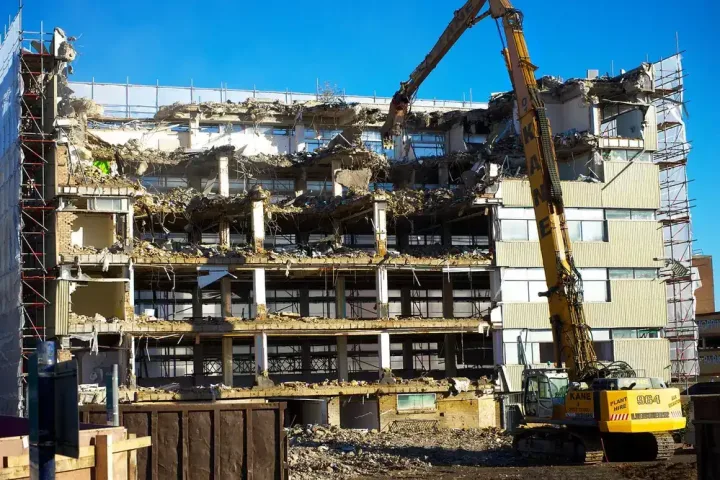
- Starting demolition before checking what the building is made of.
Frequently asked questions
Was asbestos used in houses built in the 1990s?
Asbestos building products were phased out in Australia during the 1980s and banned completely from 31 December 2003. Homes built from the 1990s onwards are much less likely to contain asbestos, but older products were sometimes reused, and earlier extensions or sheds may still contain it.
Is asbestos dangerous if it’s left alone?
Bonded asbestos in good condition is generally low risk while it is undisturbed. The risk rises when it is damaged, weathered or worked on, because that is when fibres can be released.
Can I tell asbestos from fibre cement by the colour or texture?
Not reliably. The only way to confirm it is laboratory analysis of a sample.
Need help?
If you’ve found something that looks like asbestos, call Pro Asbestos Removal Perth on 08 6001 6050 for free advice, or request a free quote. We hold an unrestricted Class A licence and can arrange testing, removal and disposal across Perth Metro.
Share this